
Cart
Lyophilized Research Peptides & Laboratory Standards
Understand the critical standards of vacuum-sealed lyophilized peptide cakes, moisture control, reconstitution physics, and sub-zero storage stability for laboratory research.
≥99% HPLC Verified
Janoshik Analytical COAs
1–3 Day USA Domestic Shipping
Research Use Only (RUO)
Verified Laboratory Research Fact Card
Key Specifications & Live Sourcing Metrics: Lyophilized Research Peptides & Laboratory Standards
Primary laboratory research specifications, pricing benchmarks, purity verifications, and domestic fulfillment data for Lyophilized Research Peptides & Laboratory Standards.
Live Price Range
$19.99 – $129.99 per vial
Purity Standard
>=99.0% (HPLC Verified with Published COA)
Vial Format
Sterile Glass Vials with Vacuum Septum Seal
Reconstitution Medium
0.9% Benzyl Alcohol Bacteriostatic Water
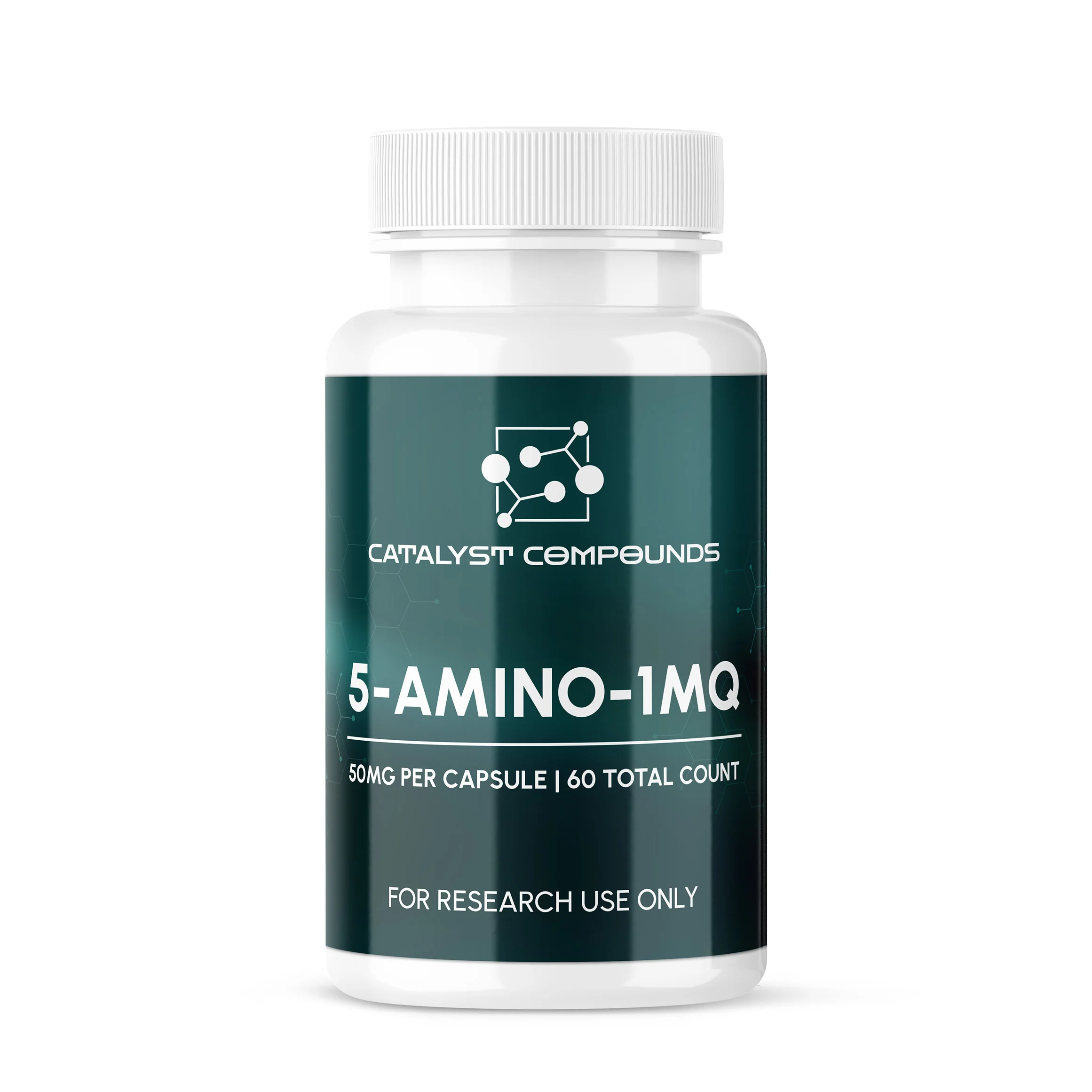
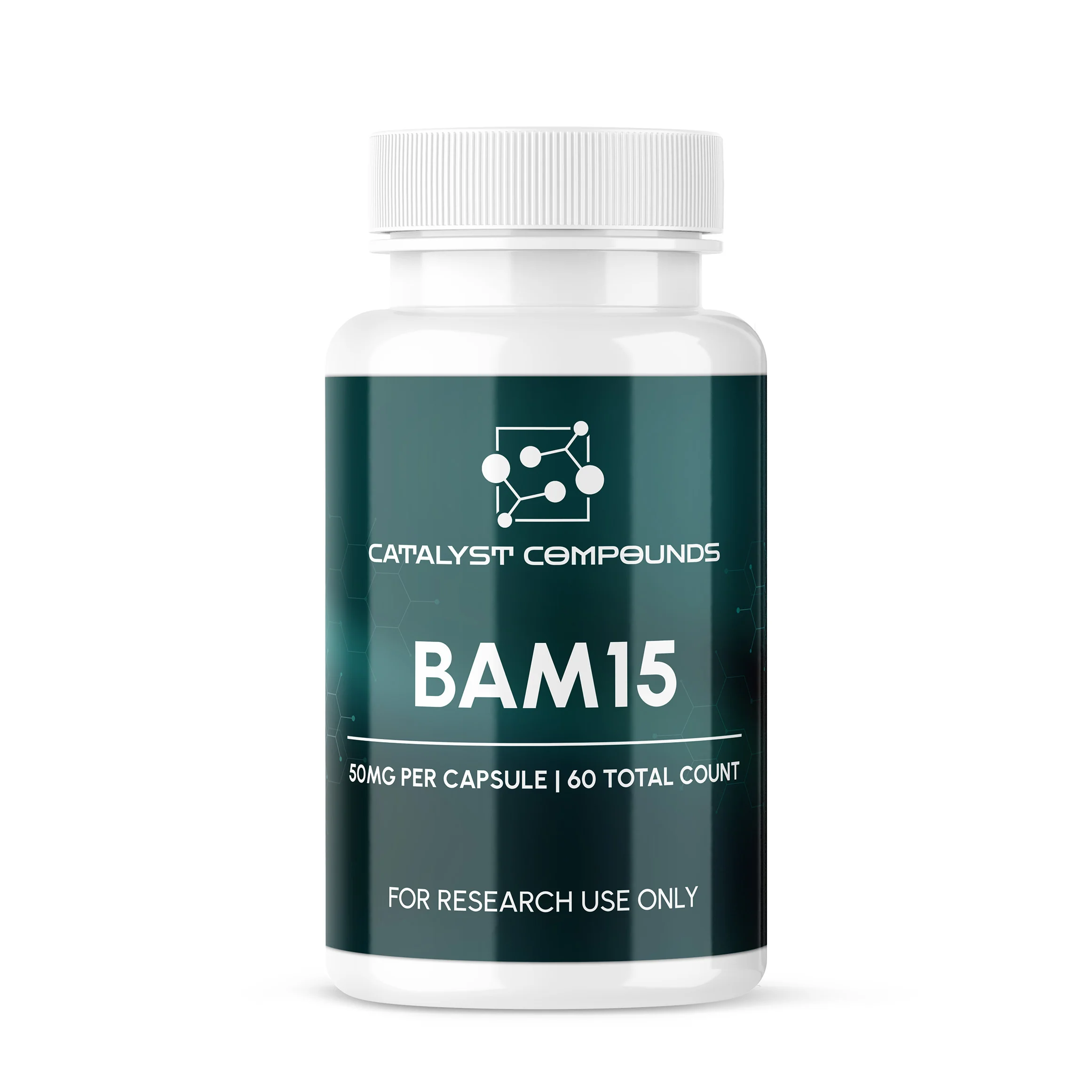
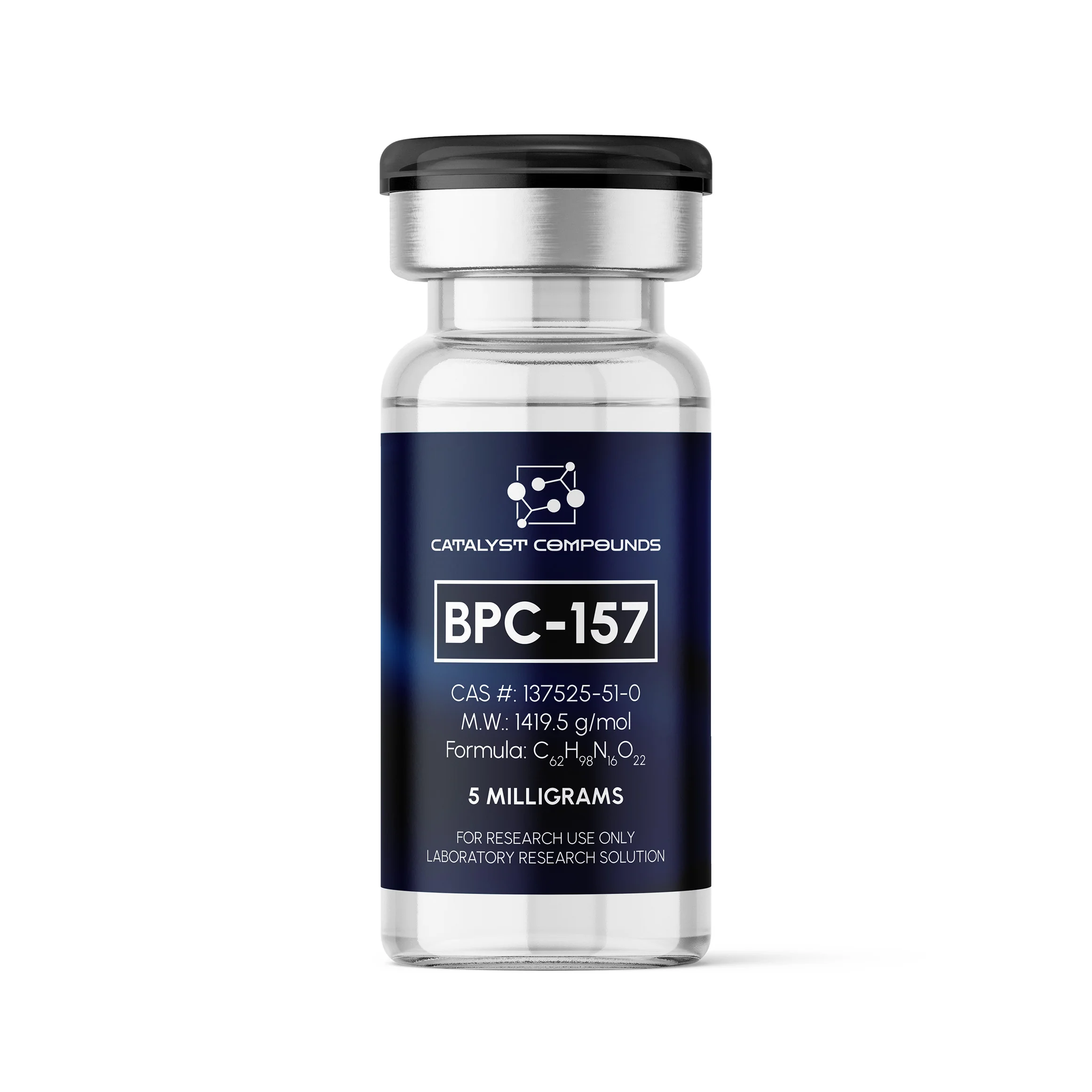
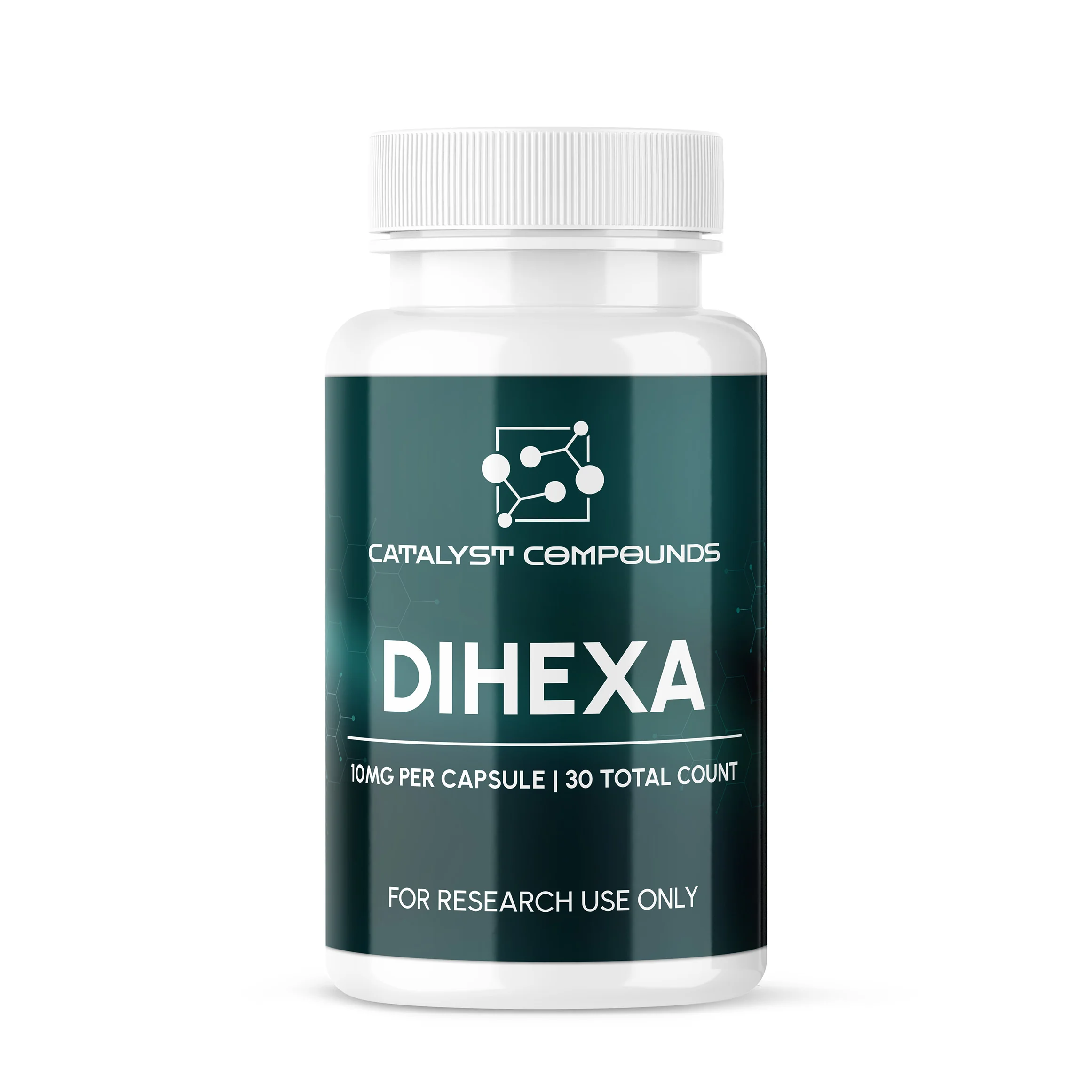
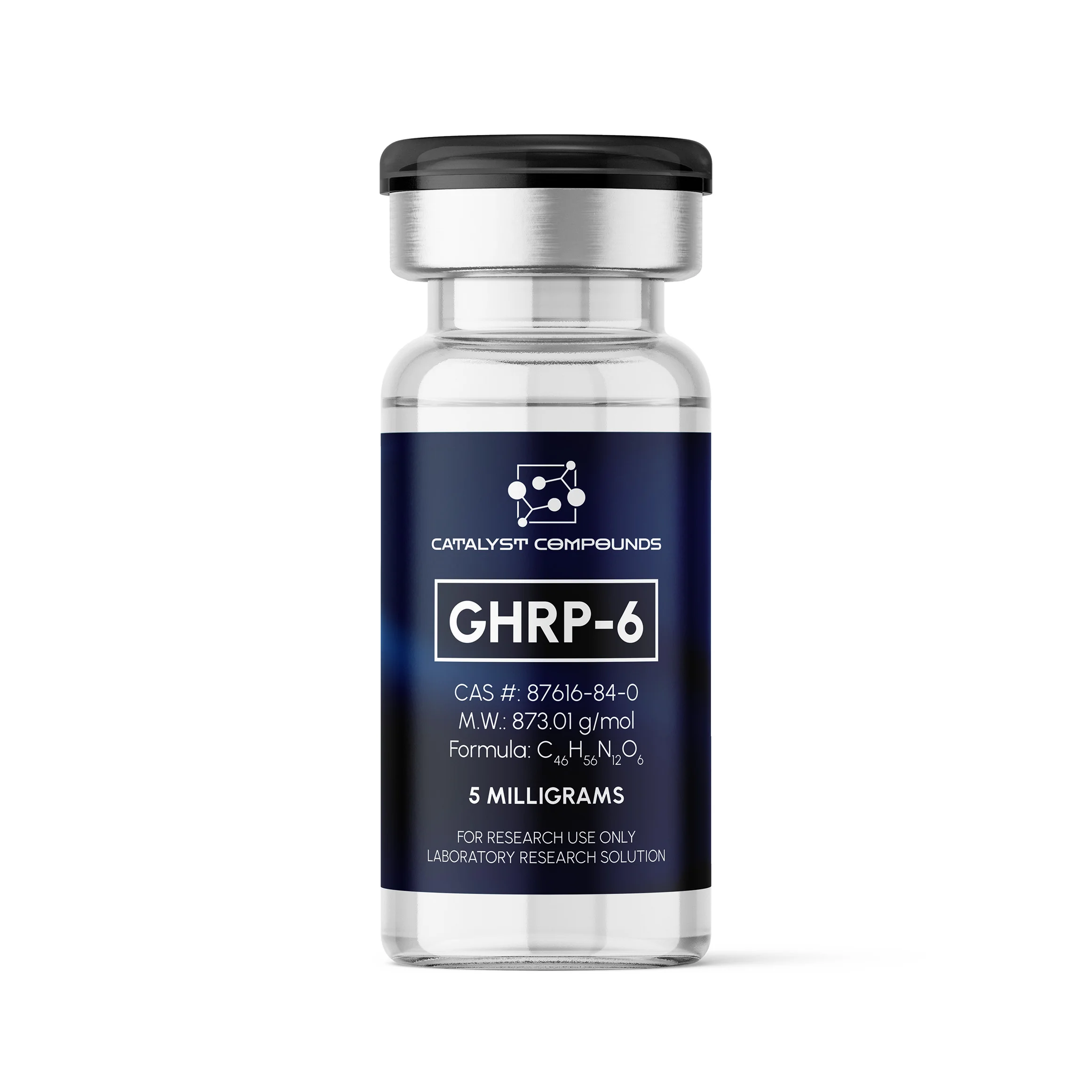
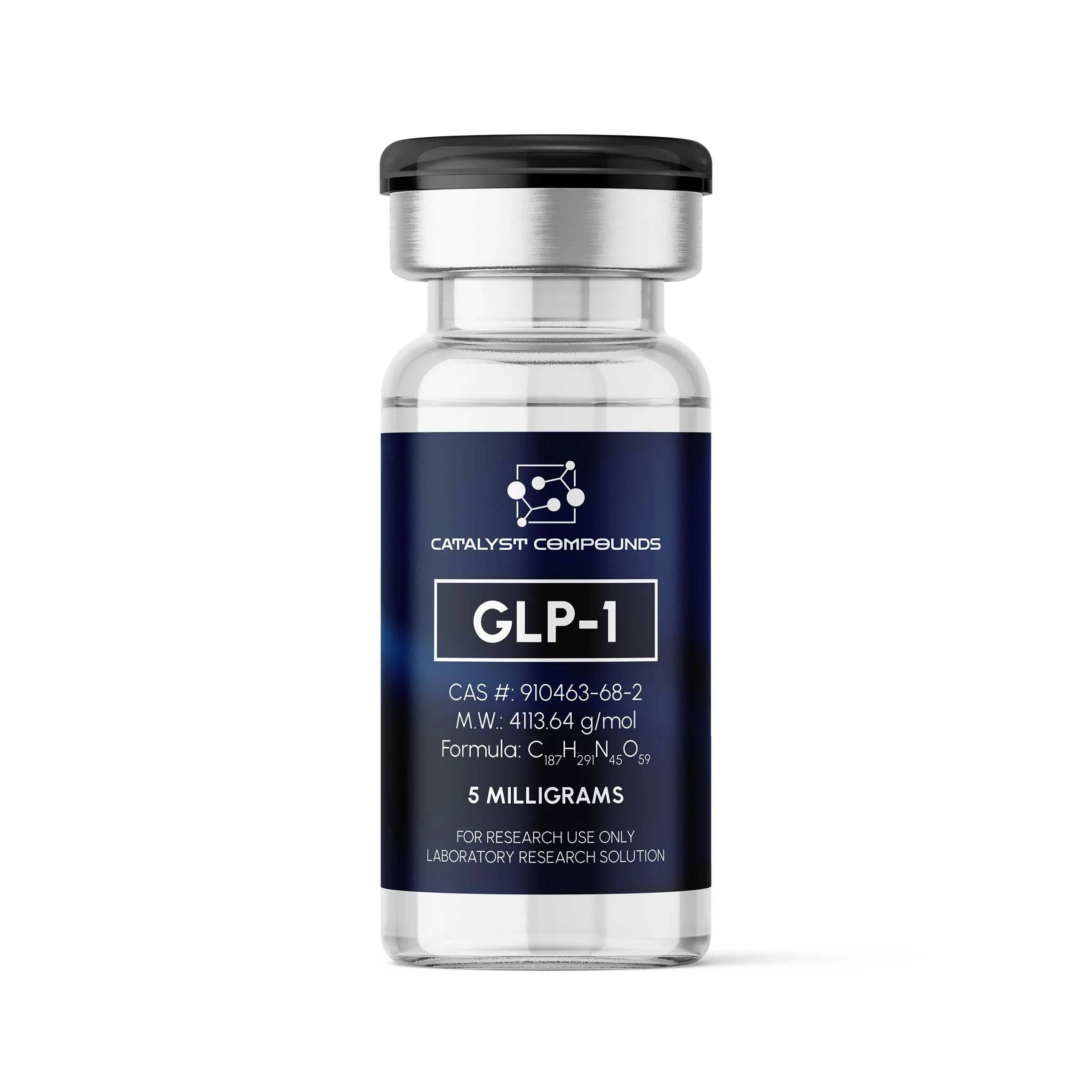
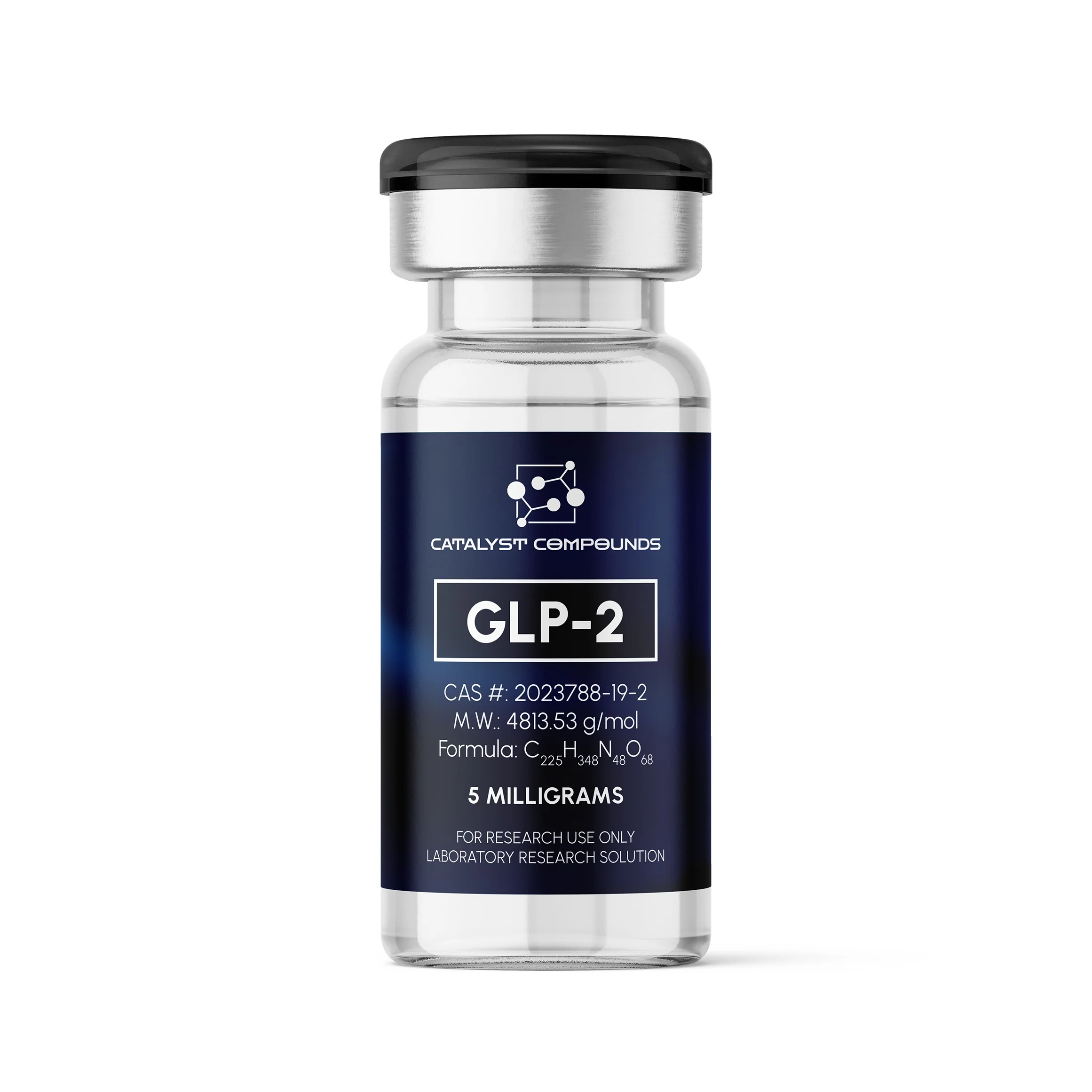
Verified In-Stock Compounds
Showing active catalog batches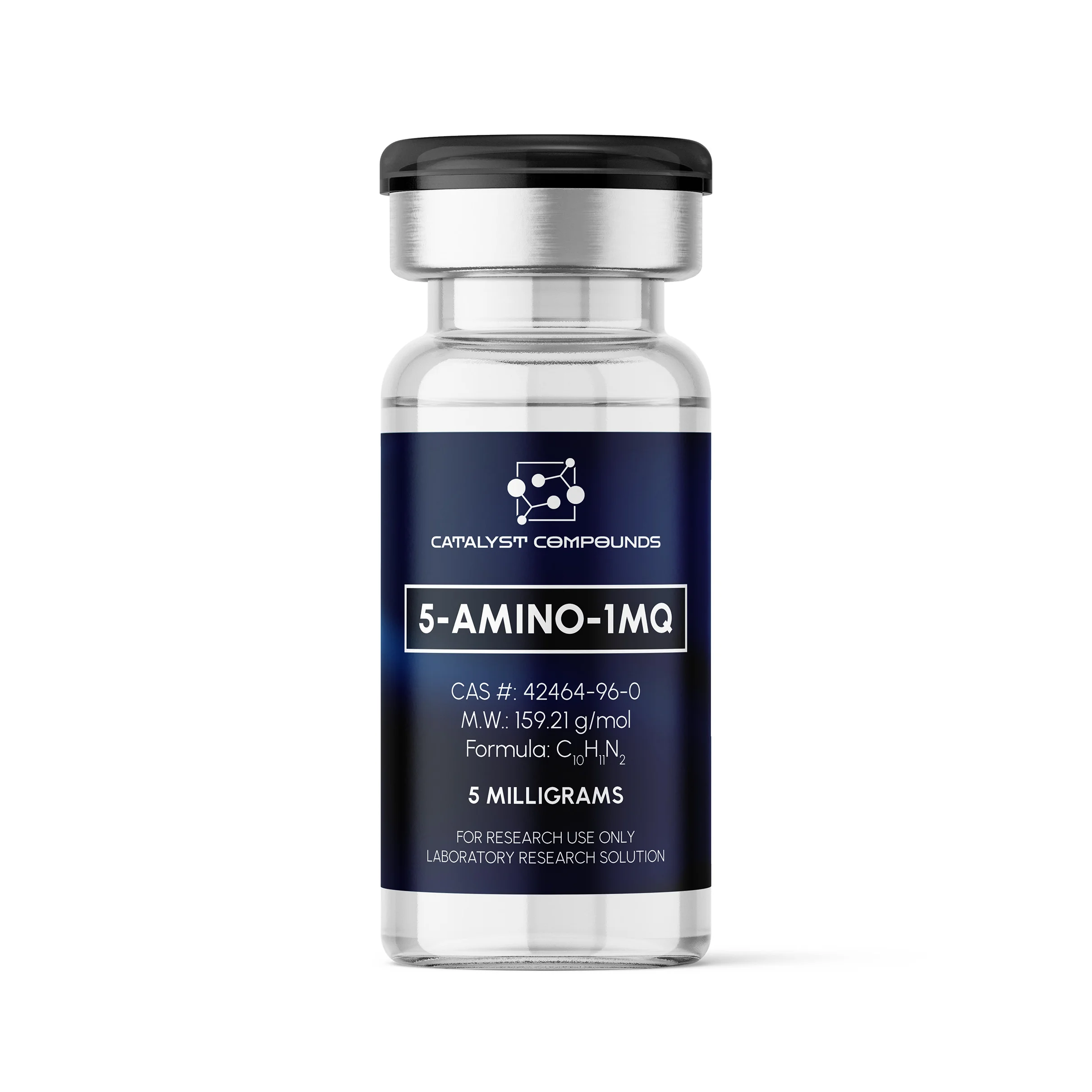
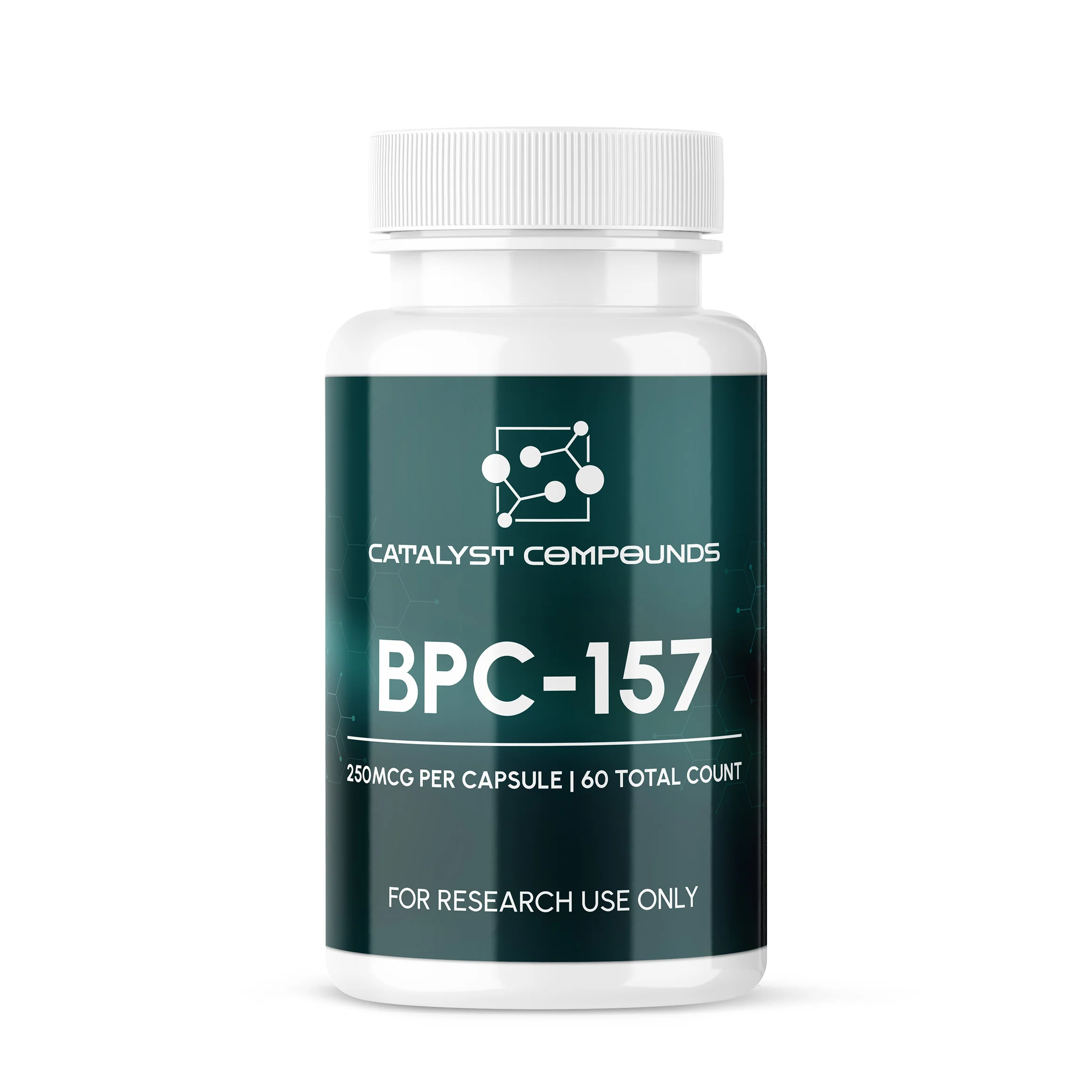
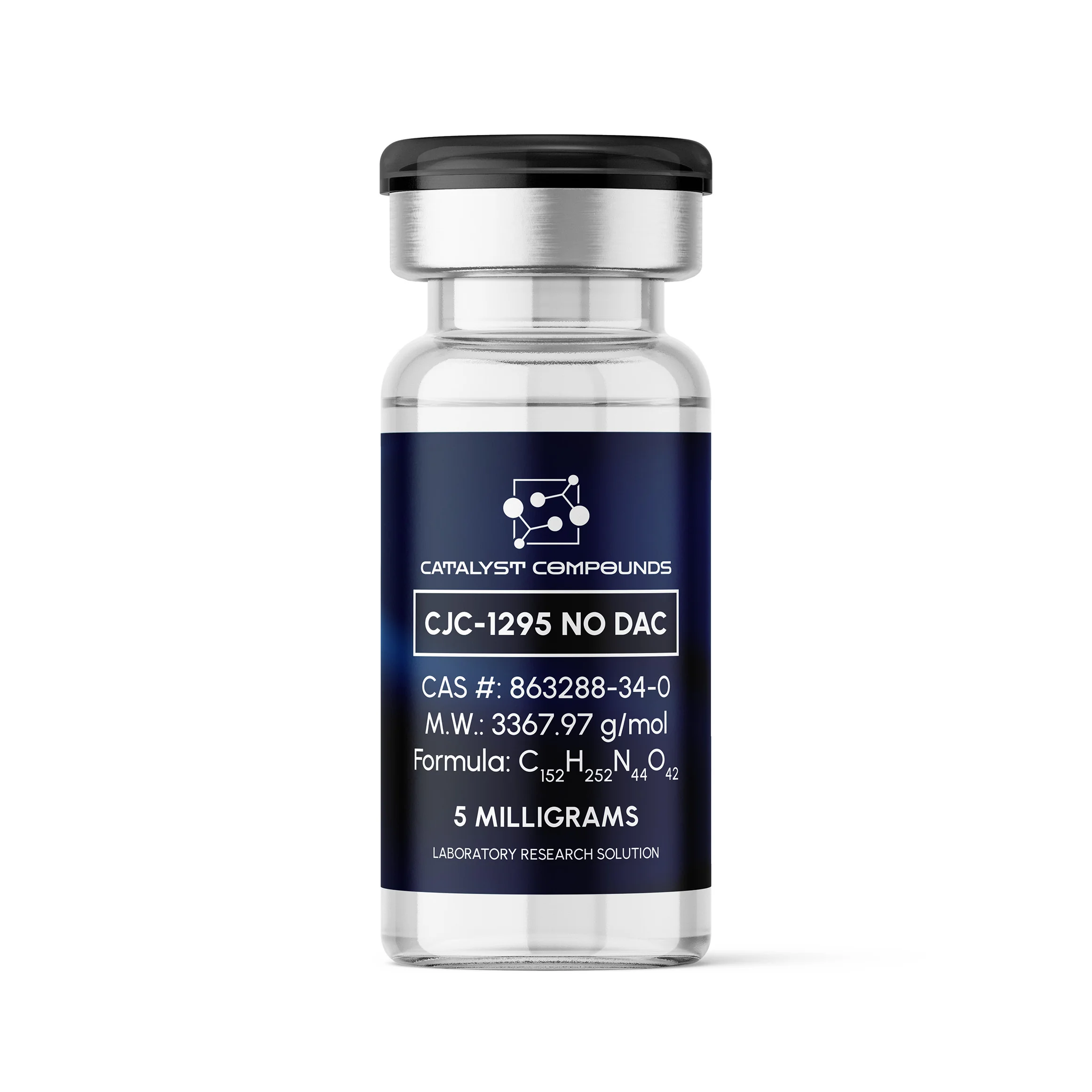
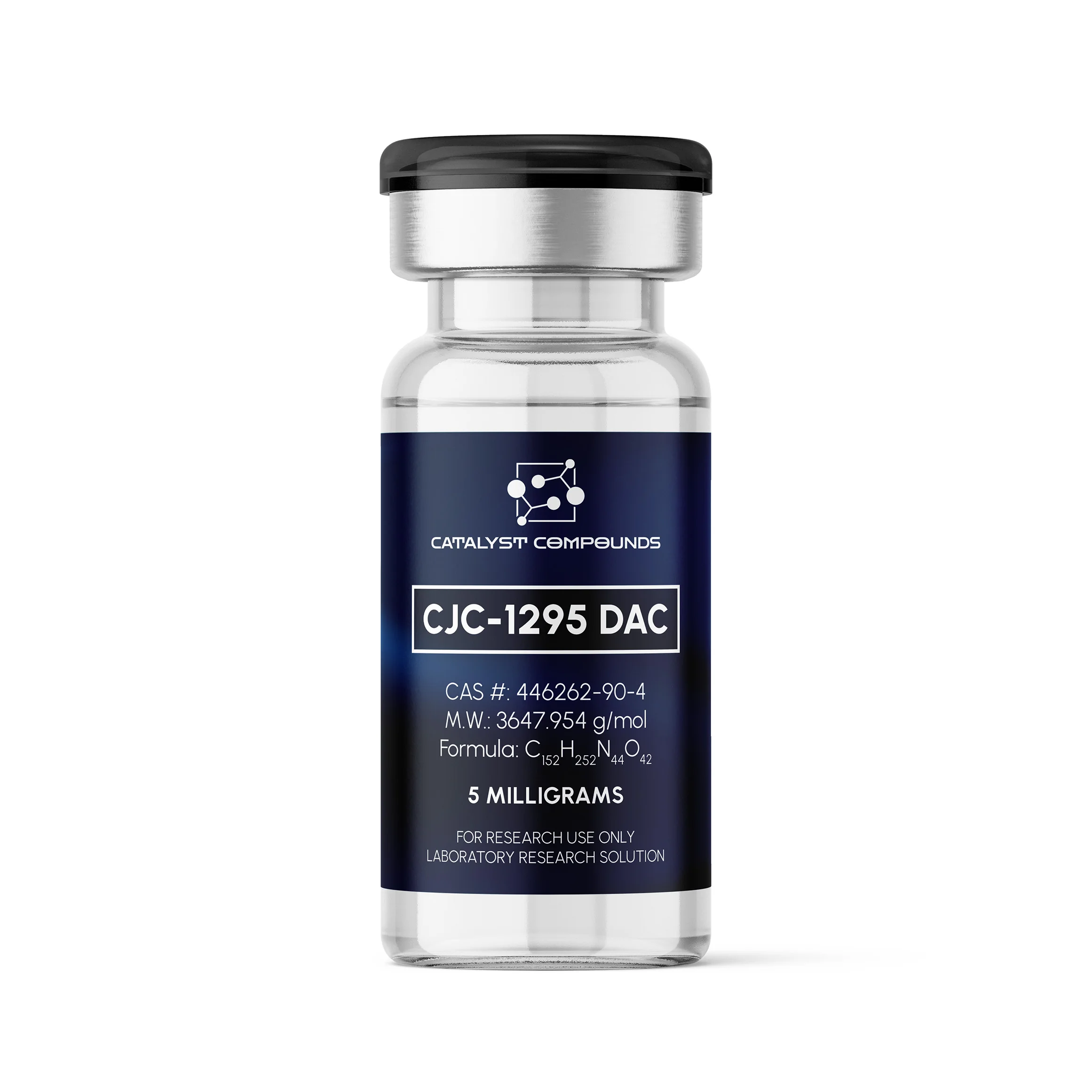
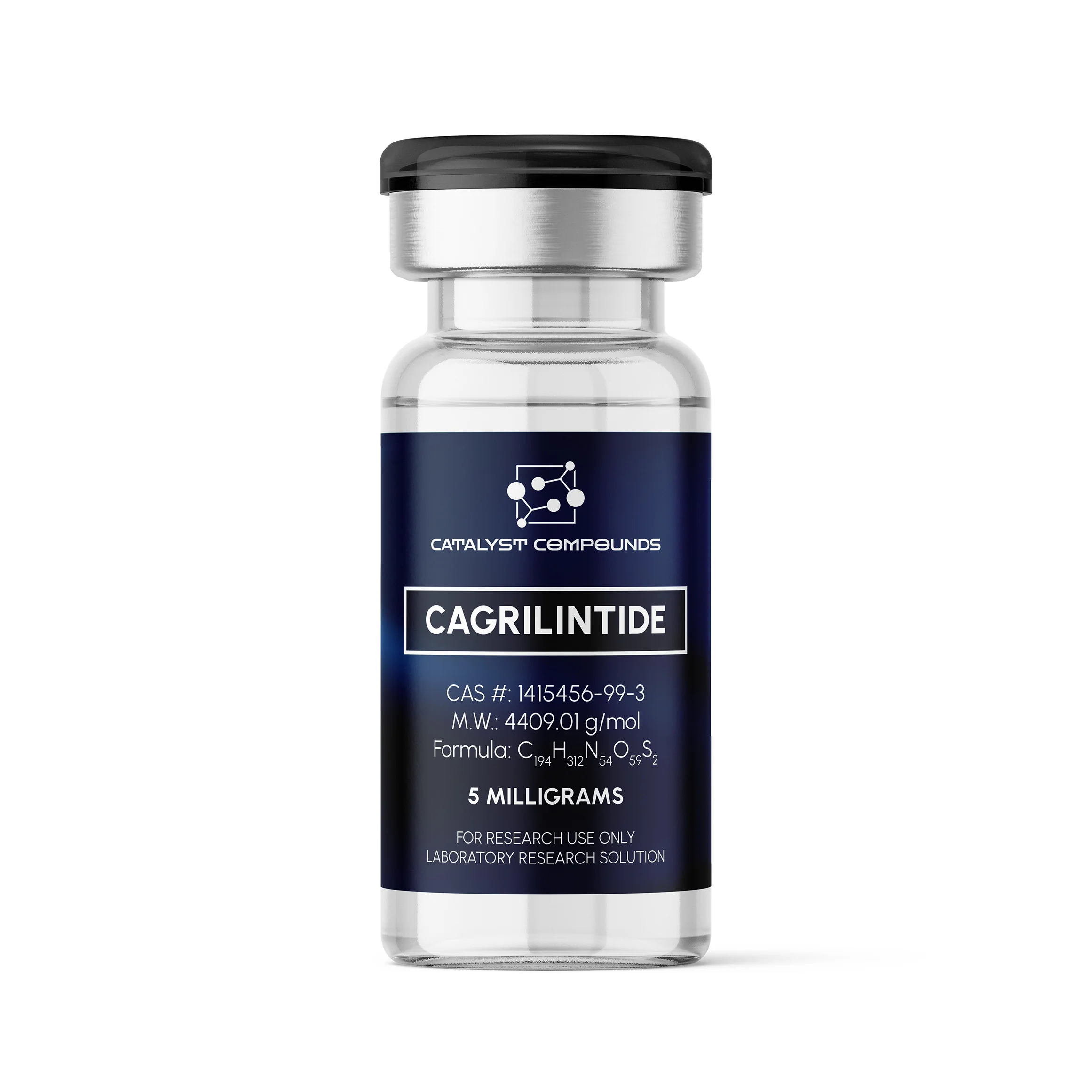
Frequently Asked Questions
Why is lyophilization essential for synthetic research peptides?
Lyophilization (freeze-drying) removes water through sublimation under vacuum at low temperatures. This preserves the peptide tertiary conformation and prevents hydrolytic degradation, allowing the compound to remain stable for years at -20°C.
How do I identify a high-quality lyophilized peptide cake?
A high-grade lyophilized peptide appears as a solid, uniform white or pale cake adhering to the base of the glass vial under vacuum. Fragmented powders or discolored residues may indicate moisture exposure or improper sublimation.
What is the correct protocol for reconstituting lyophilized peptides?
Equalize the vial to room temperature before puncture. Inject bacteriostatic water slowly along the inner vial wall to avoid mechanical shearing. Swirl gently until dissolved. Never agitate or vortex vigorously.
Verified Laboratory Standard
Need Custom Synthesis or Bulk Research Compounds?
Contact our laboratory support team for volume pricing, custom mg formulation, and batch-specific analytical documentation.