
Cart
Weight Loss & Metabolic Research Peptides
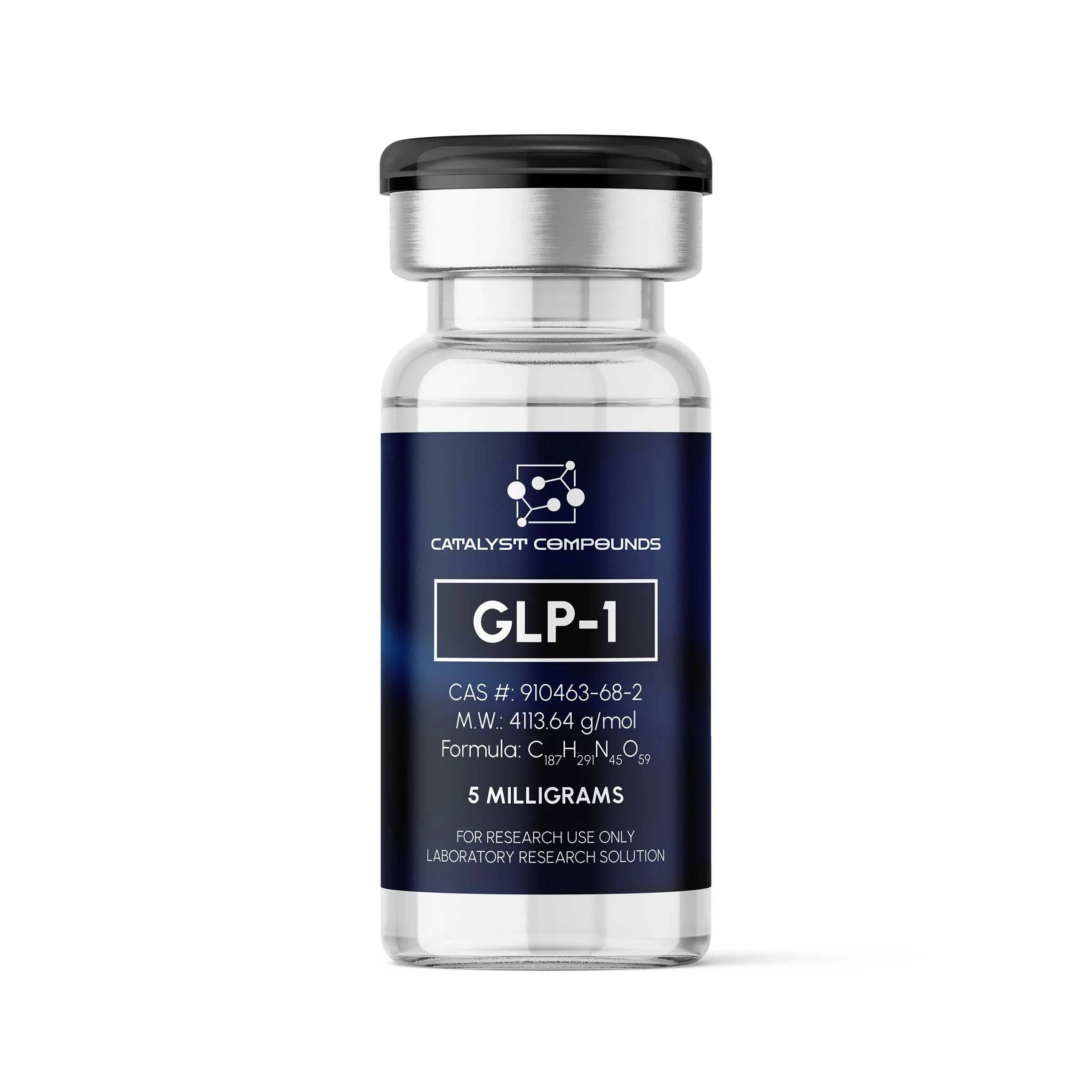
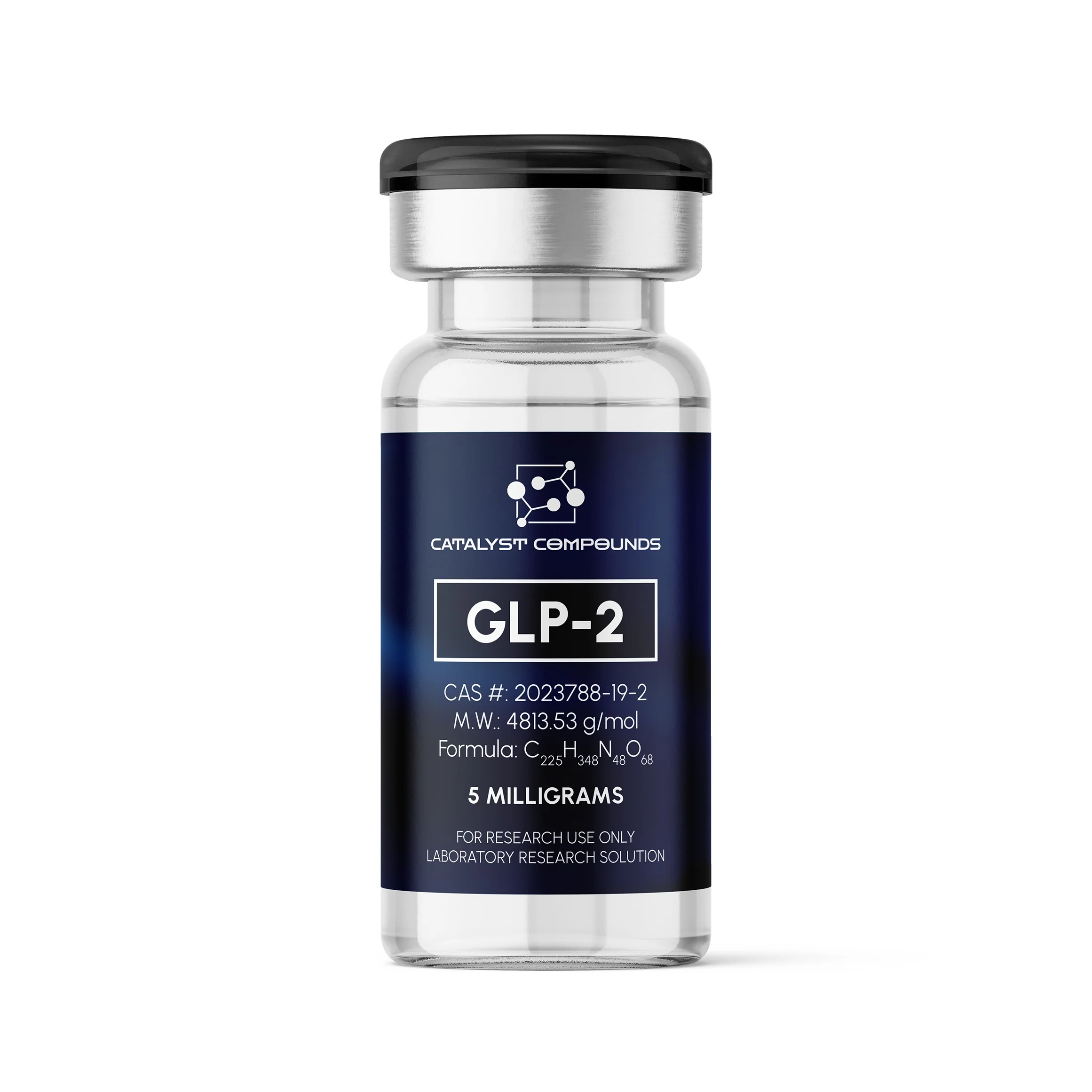
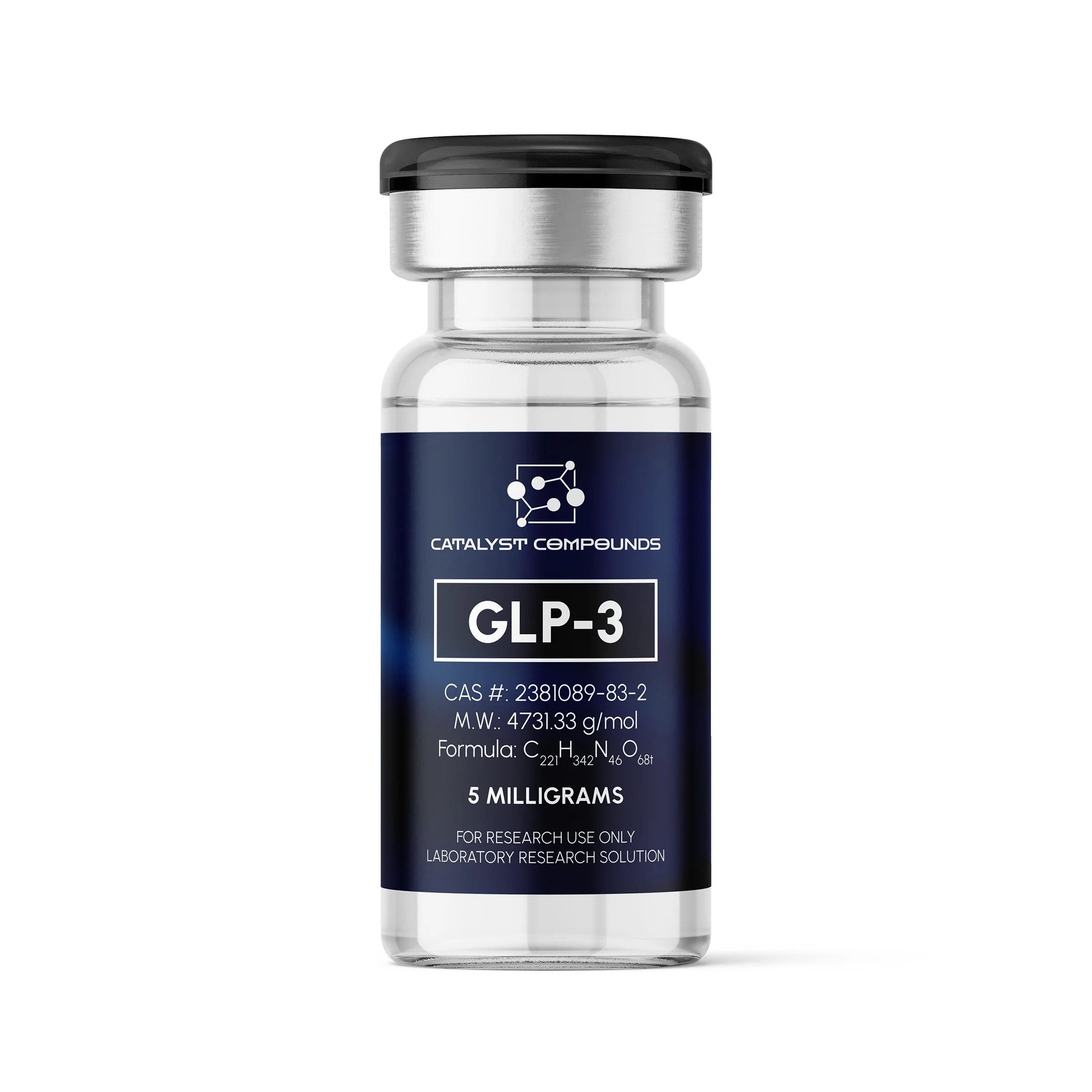
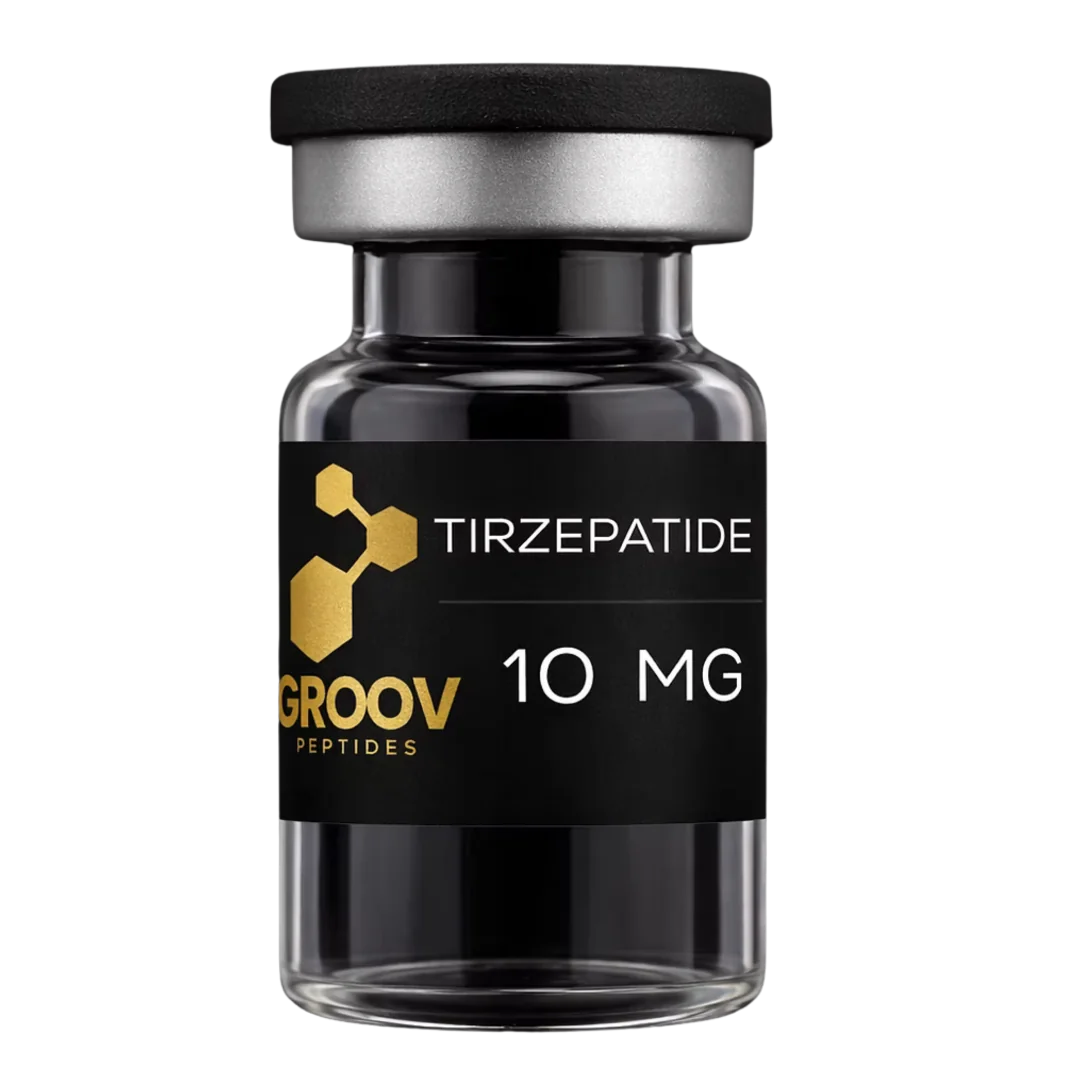
Explore our complete catalog of high-purity incretin mimetics, GLP-1/GIP/Glucagon agonists, and metabolic pathway research compounds. Every peptide is lyophilized in solid cake format and verified via independent third-party HPLC and Mass Spectrometry.
≥99% HPLC Verified
Janoshik Analytical COAs
1–3 Day USA Domestic Shipping
Research Use Only (RUO)
Verified Laboratory Research Fact Card
Key Specifications & Live Sourcing Metrics: Weight Loss & Metabolic Research Peptides
Primary laboratory research specifications, pricing benchmarks, purity verifications, and domestic fulfillment data for Weight Loss & Metabolic Research Peptides.
Live Price Range
$29.99 – $129.99 per vial / bottle
Purity Guarantee
>=99.0% HPLC & MS Verified
Primary Formats
Lyophilized Vials, Nasal Sprays & Capsules
Fulfillment
Same-day dispatch; 1–3 business days USA delivery
Verified In-Stock Compounds
Showing active catalog batches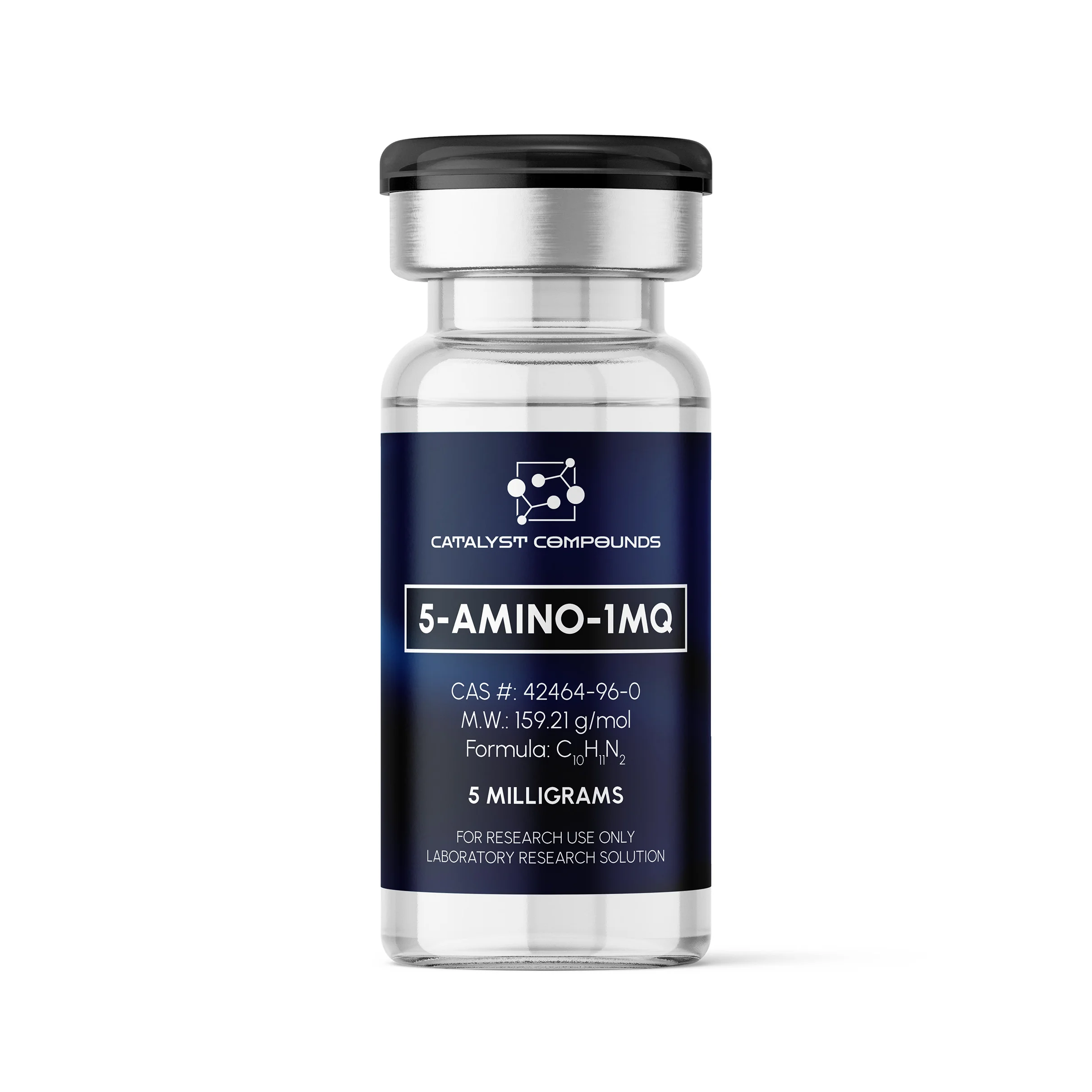
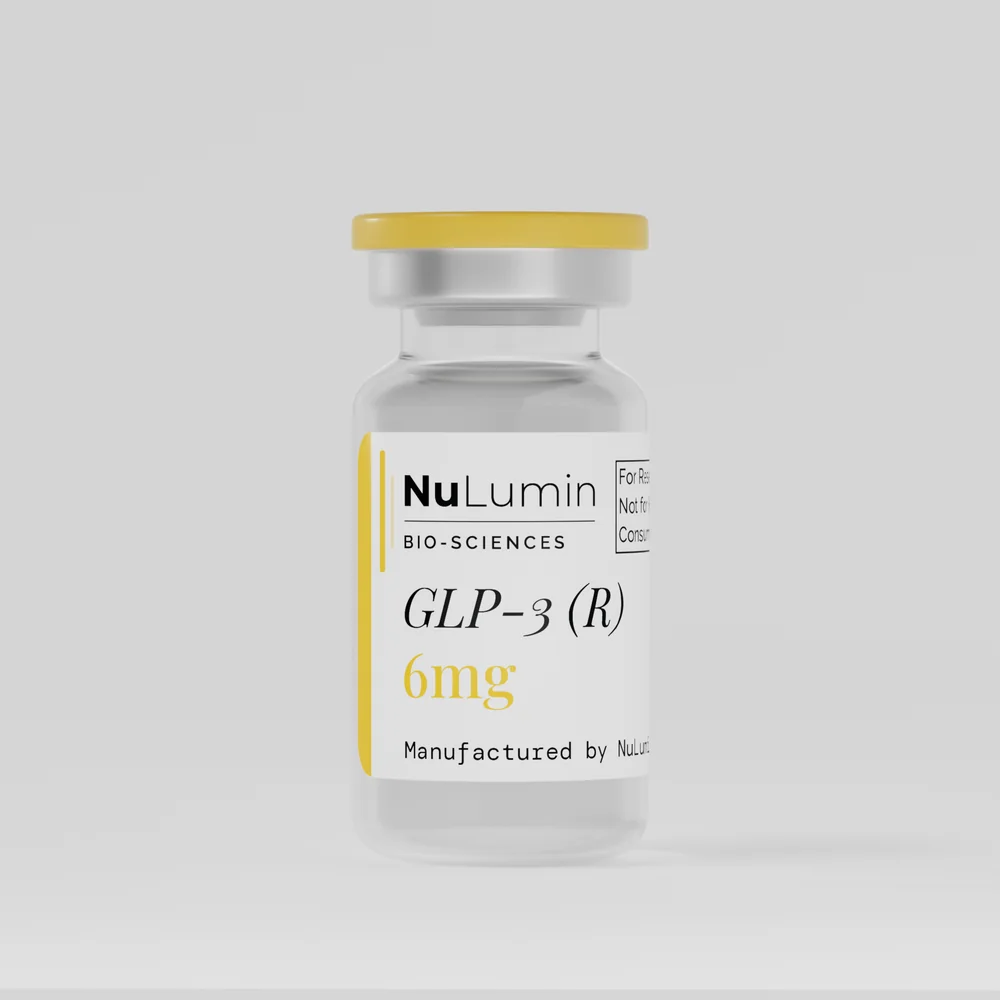
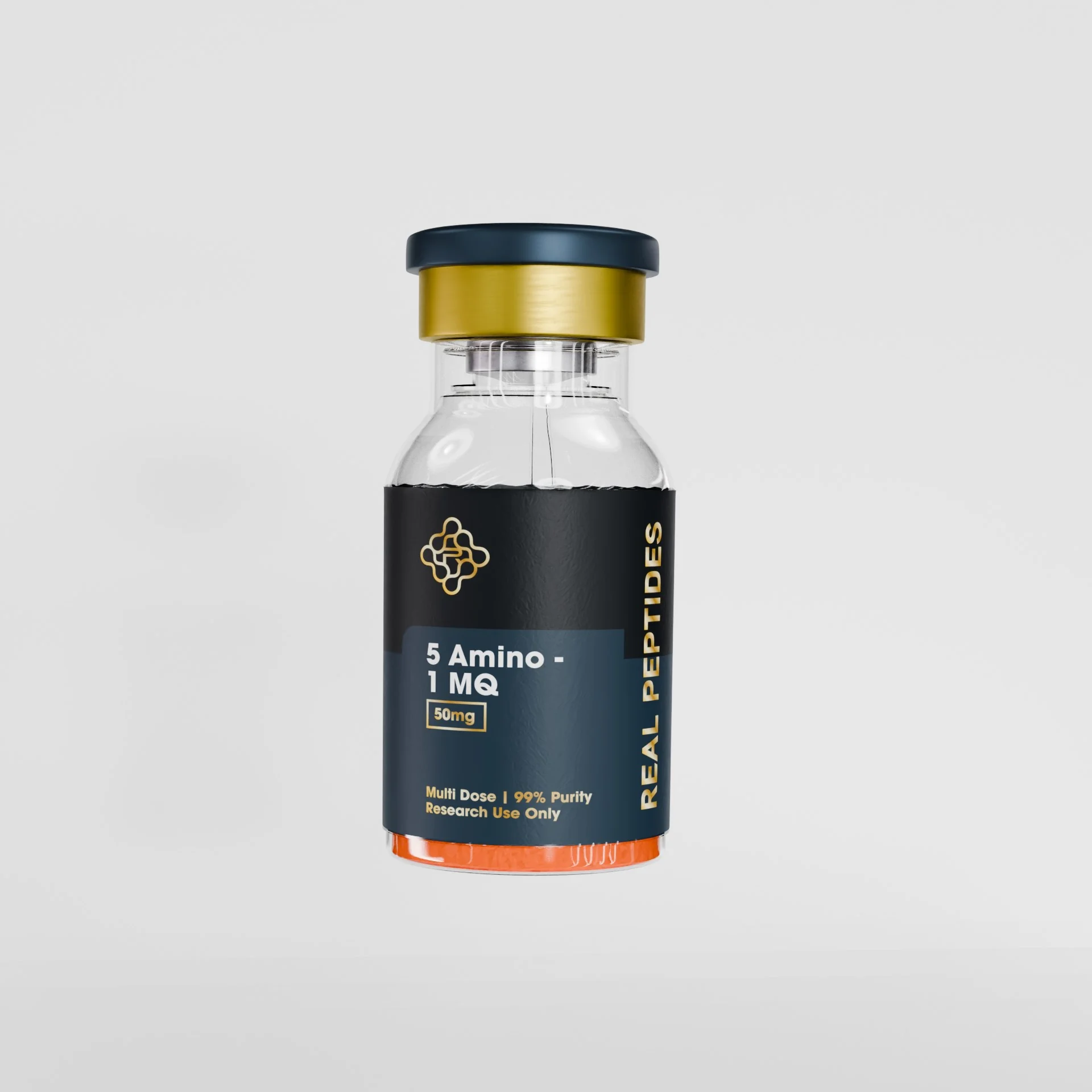
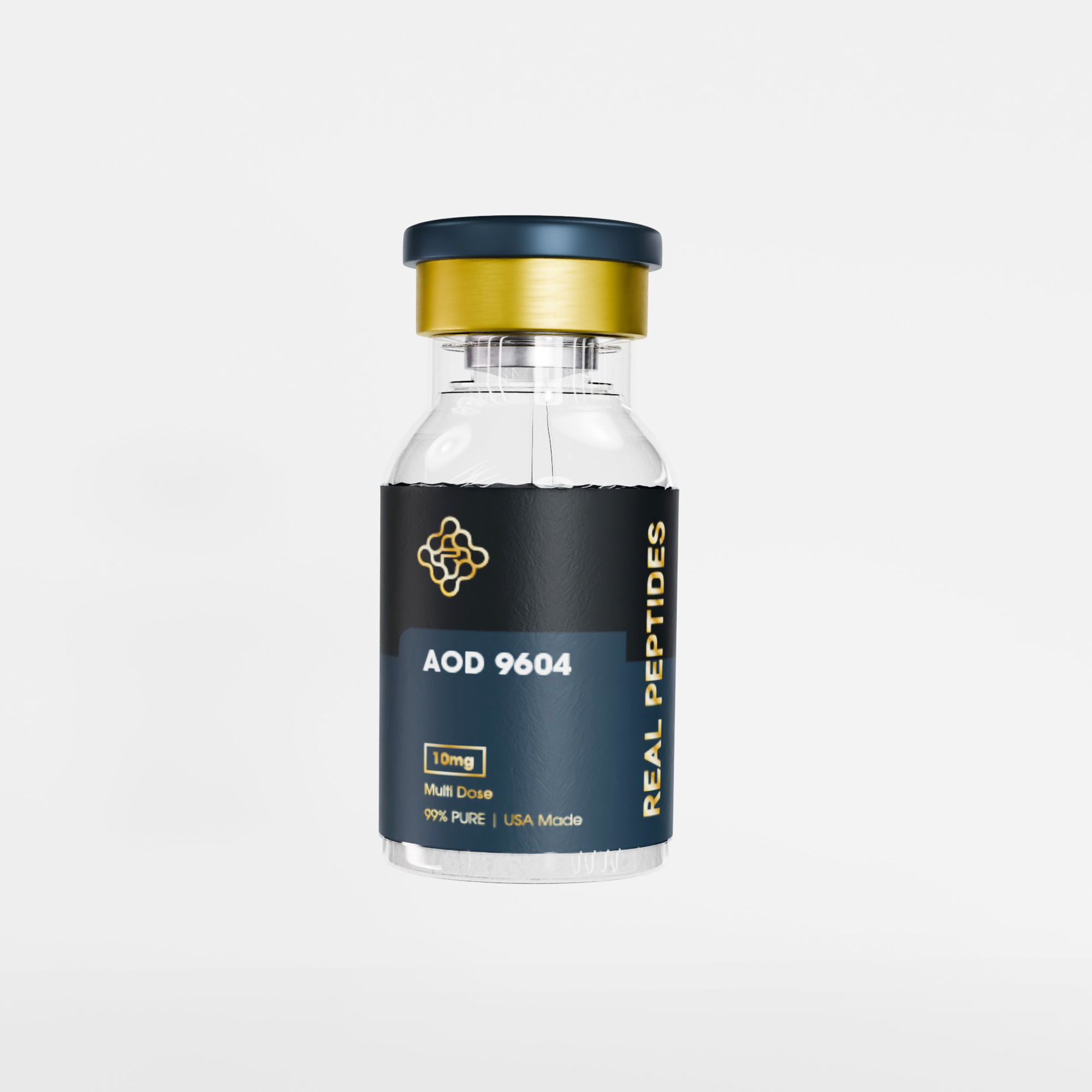
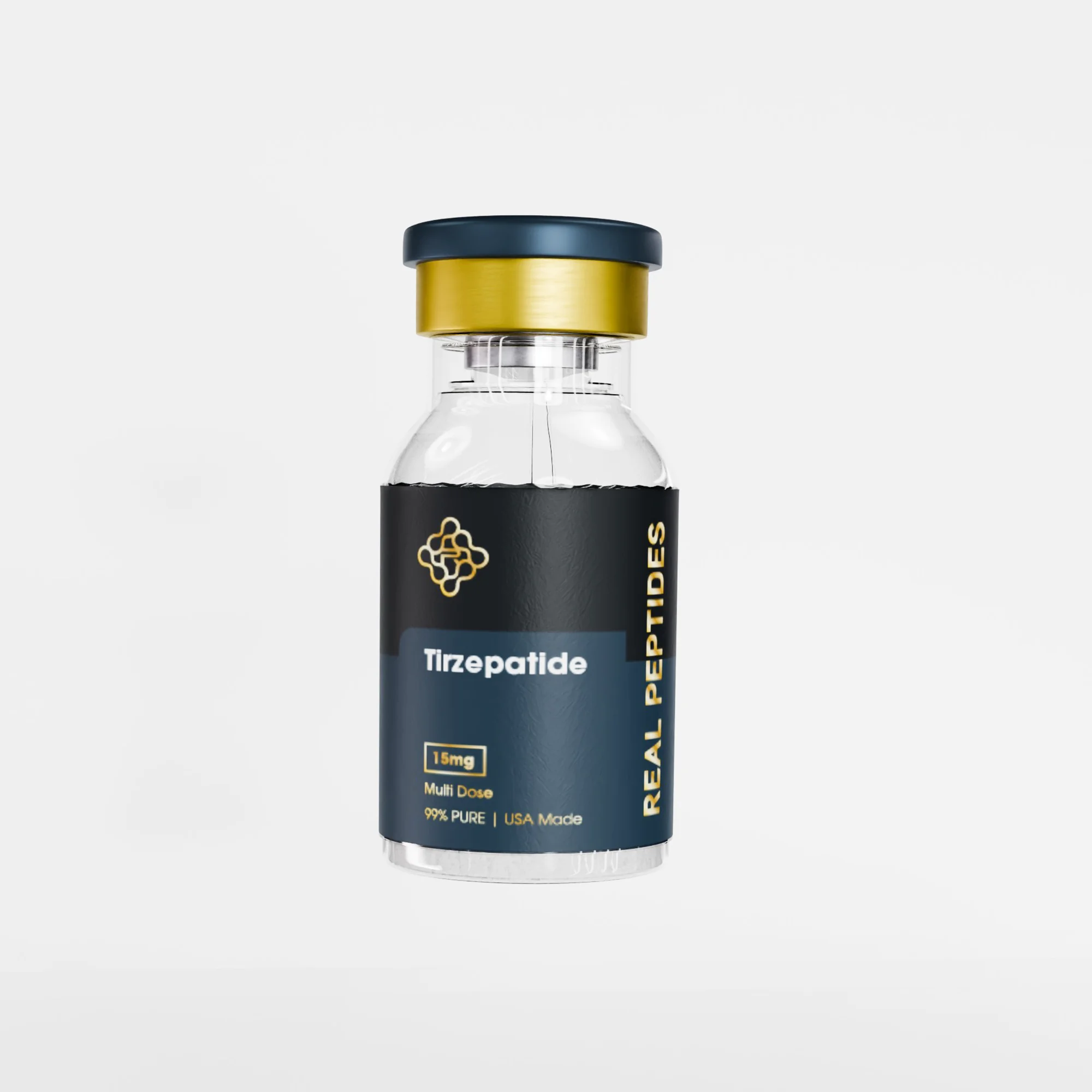
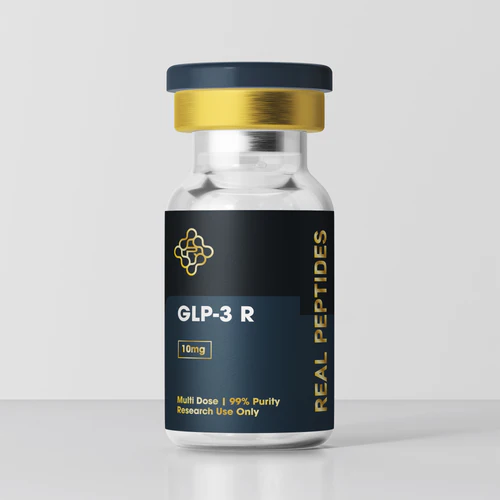
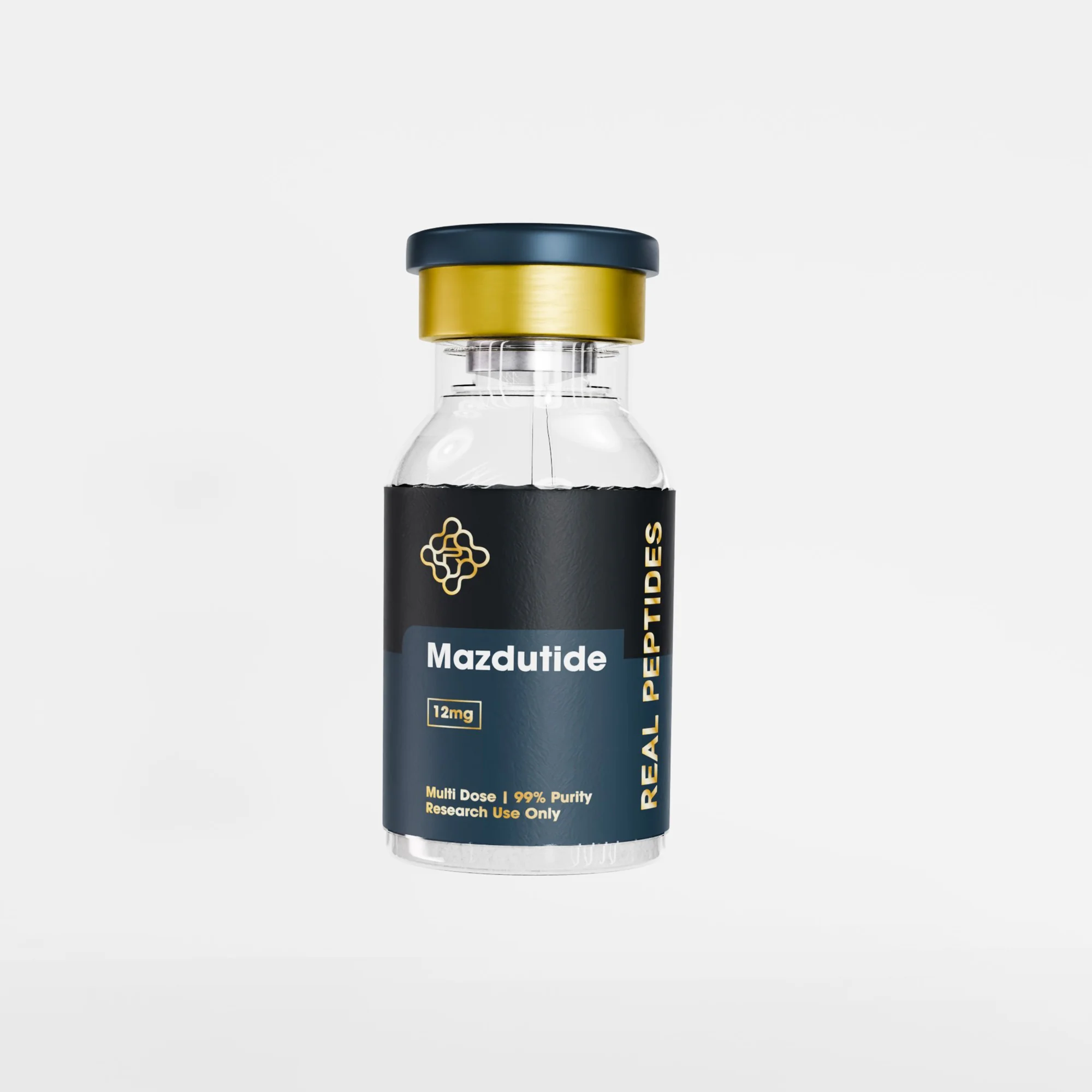
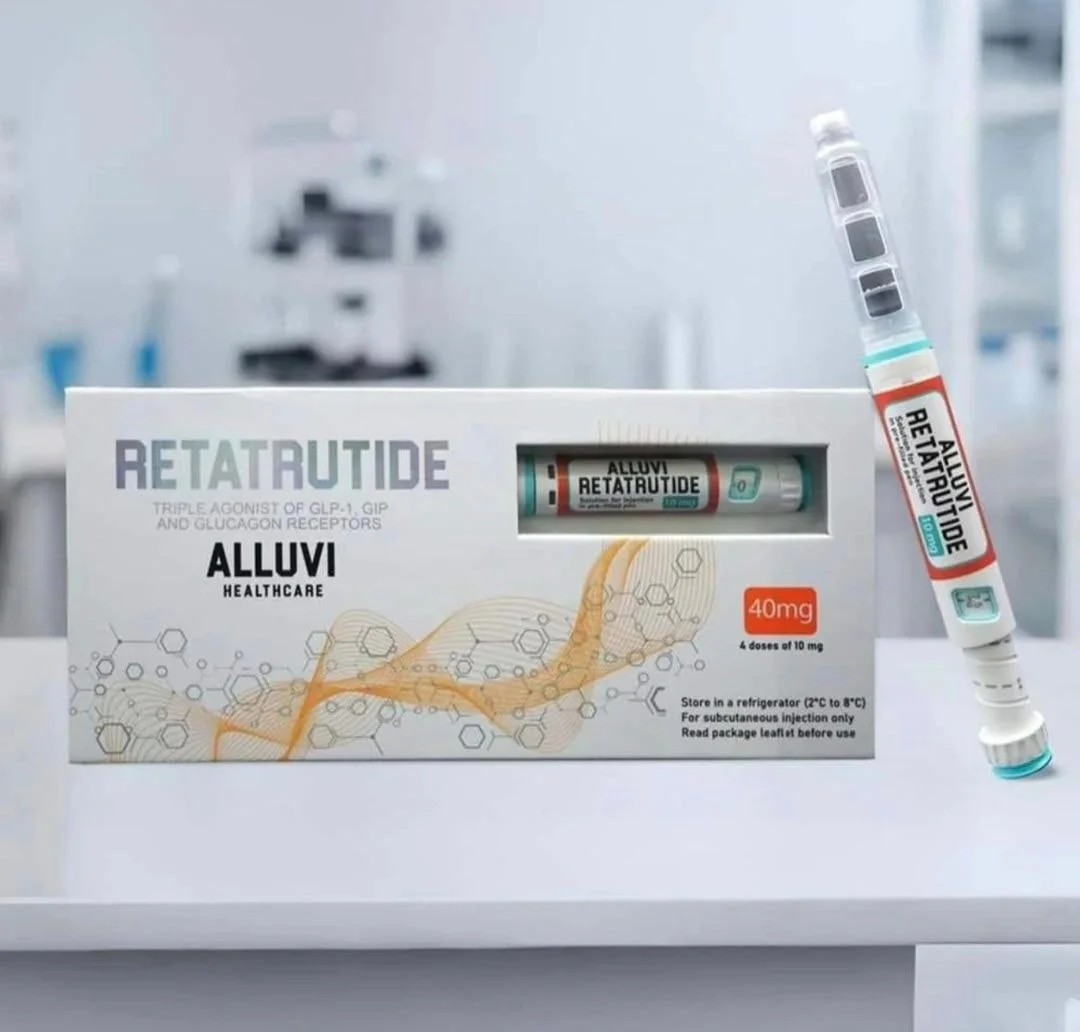
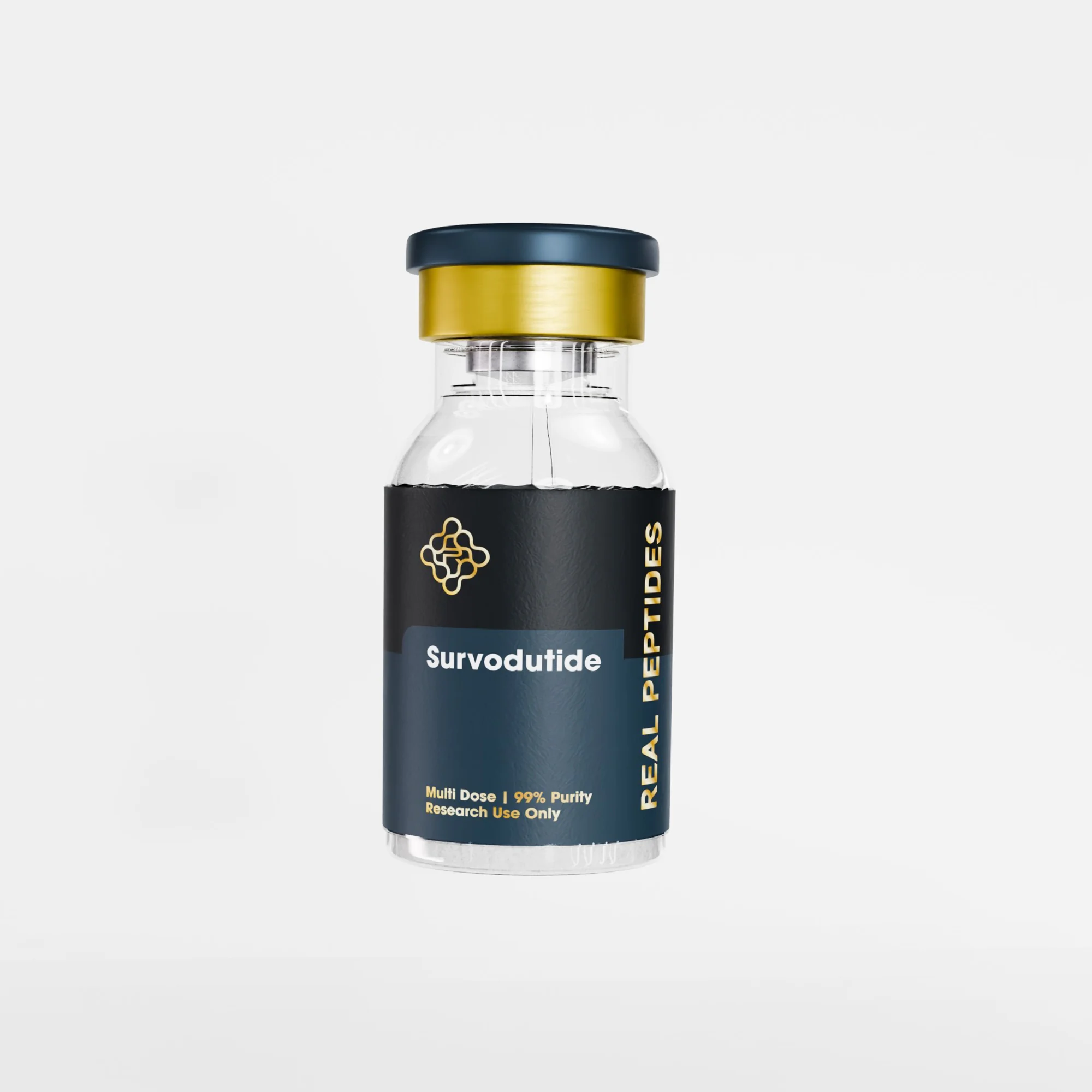
Frequently Asked Questions
What is the difference between single, dual, and triple incretin agonists?
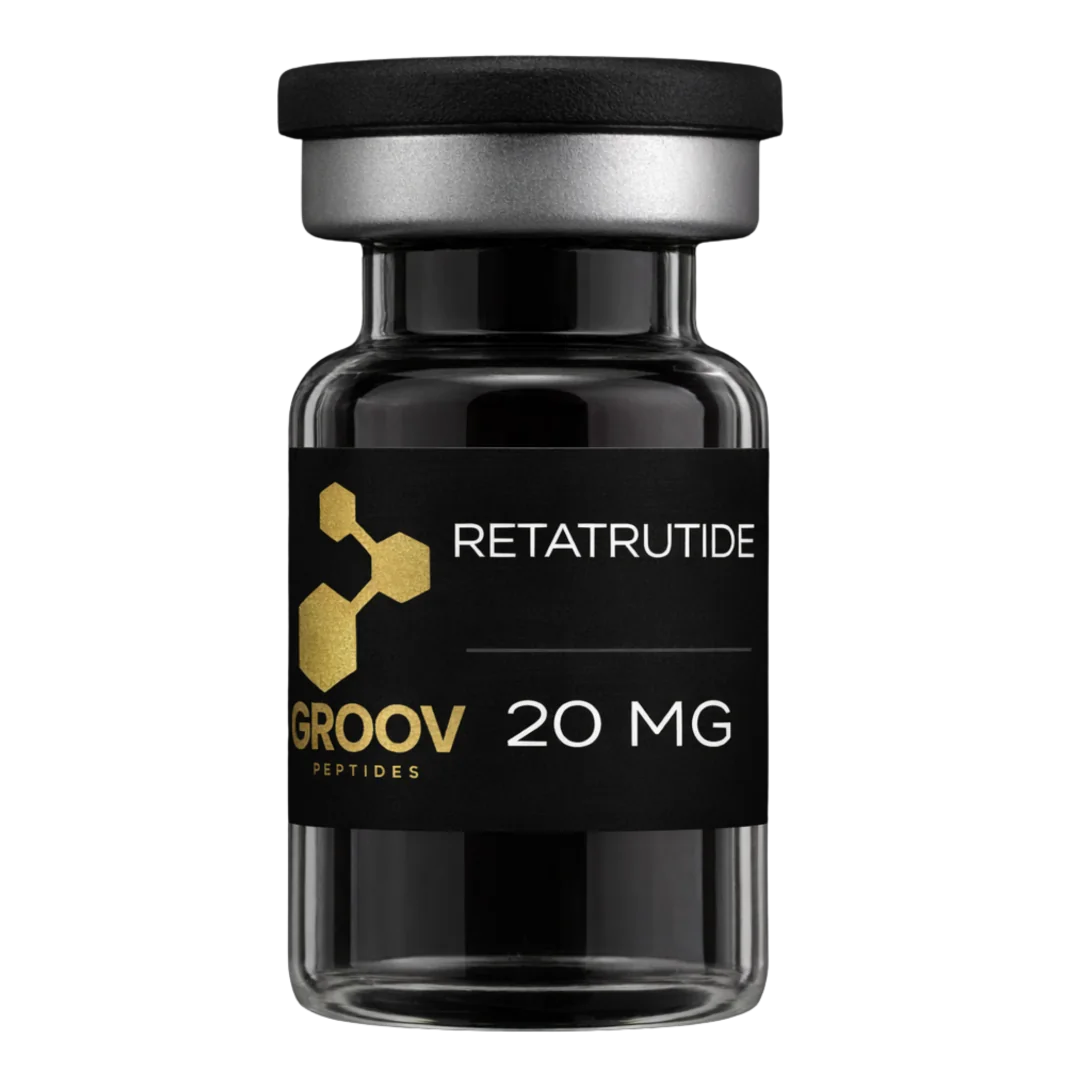
Single agonists like Semaglutide target only the GLP-1 receptor to slow gastric emptying and suppress appetite. Dual agonists like Tirzepatide co-activate GLP-1 and GIP receptors to improve insulin sensitivity and lipid buffering. Triple agonists like Retatrutide recruit GLP-1, GIP, and Glucagon (GCG) receptors, adding thermogenesis and hepatic fat clearance mechanisms.
How should lyophilized metabolic peptides be reconstituted and stored?
Lyophilized vials should be stored at -20°C for long-term stability (up to 24 months). For laboratory reconstitutions, add bacteriostatic water slowly down the inside glass wall of the vial, allow the powder to dissolve without vigorous shaking, and store the reconstituted liquid at 2°C to 8°C for up to 30 days.
Are Certificates of Analysis (COAs) provided with each batch?
Yes. Every batch of metabolic peptides is independently tested by analytical laboratories (including Janoshik Analytical). Full HPLC chromatograms and Mass Spectrometry reports are publicly accessible in our Lab Reports directory.
Are these peptides legal to purchase for research in the USA?
Yes. Our peptides are synthesized and distributed strictly as Research Use Only (RUO) laboratory reagents for in vitro assays, biochemical profiling, and animal model research by qualified researchers.
What is the difference between AOD-9604 and 5-Amino-1MQ in metabolic research?
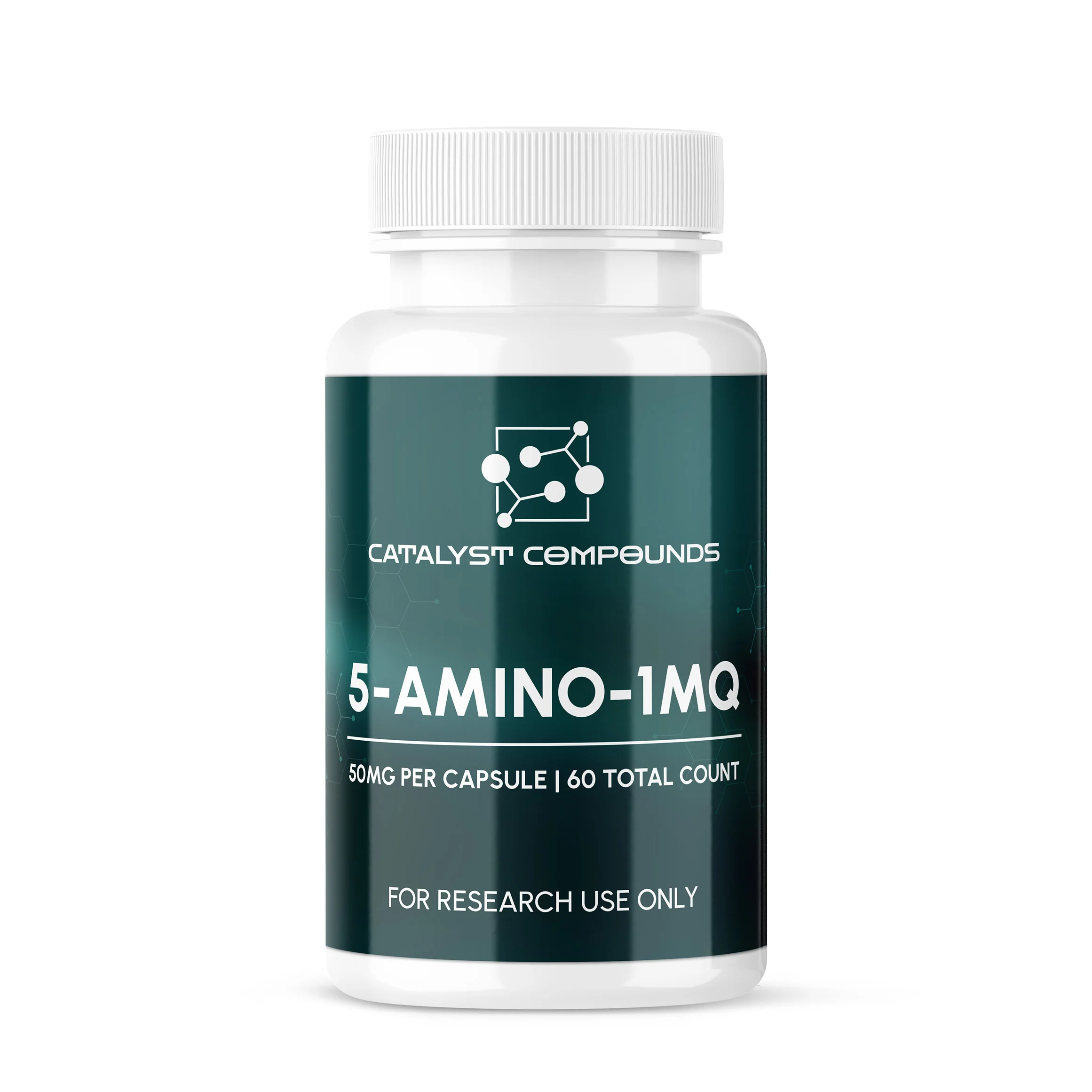
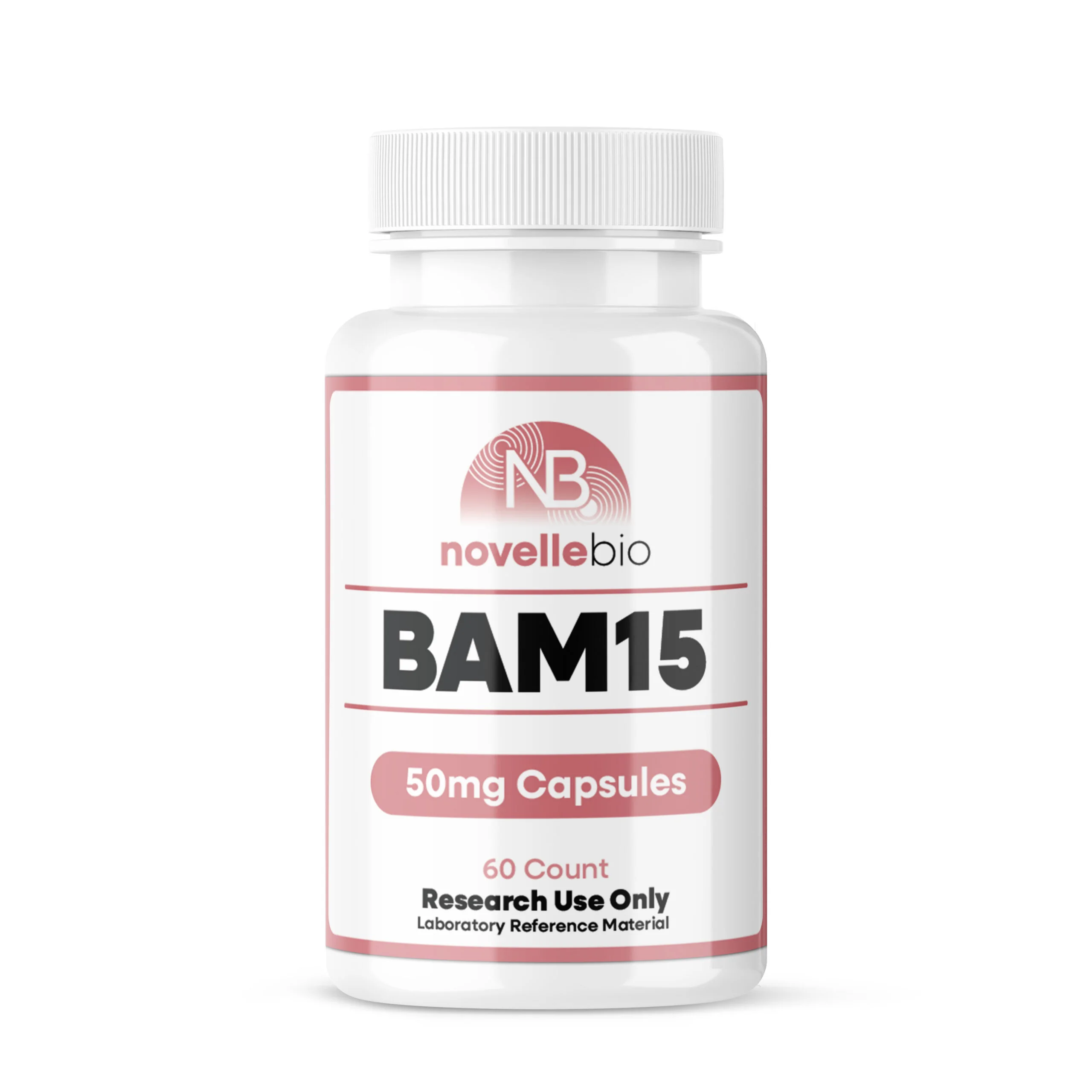
AOD-9604 is a modified fragment of human growth hormone (hGH 177-191) that stimulates lipolysis without influencing IGF-1 or blood glucose levels. In contrast, 5-Amino-1MQ is a small-molecule NNMT (nicotinamide N-methyltransferase) inhibitor that prevents metabolic slowing in adipose tissue.
Verified Laboratory Standard
Need Custom Synthesis or Bulk Research Compounds?
Contact our laboratory support team for volume pricing, custom mg formulation, and batch-specific analytical documentation.